India
India USA
USA
Recent research indicates that 71% of consumers begin their buying journey after researching search engines. Another research shows that nearly 10% of users never go beyond the first page of search results (literally, they forget that search engines have multiple result pages). So, hope this is not a surprising factor because we know well the bond and strings attached between the search engines and consumers in day-to-day life. The actual surprising aspect is how the ubiquity of search engines makes the prime spot for digital marketers to grab consumers’ attention.
As a digital marketer, reaching a potential audience in a search engine (bustling place) is more crucial for your business. The key to achieving this is a variety of digital marketing strategies like search engine marketing, content marketing, and search engine optimization is essential. Search engine marketing SEM is viable to earn more qualified traffic for your website among the modern digital strategy. Let’s get straight to how search engine marketing works and the adequate tactics for your business.
What is Search Engine Marketing

Search engine marketing, as a term, refers to the type of marketing that leverages search engines to improve your site’s traffic, bring in more qualified leads, and enables your customers to reach you online. There are two primary ways to drive traffic as well as get on the front page of search engines with SEM.
The first is to earn your way on the first page by getting your website organically ranked on the search results, and this is referred to as SEO or Search Engine Optimization. The second incorporates paid strategies for boosting a website’s ranking, referred to as PPC or pay-per-click advertising.
However, the most common question that a business ask is which is better, SEO or PPC? Both strategies’ center of attention is to drive traffic and prospects for business; still, when it comes to either-or choice, the answer is that it depends. Before determining which is best for business, let’s see the tactic and difference between these two digital marketing strategies so you know what to look for.
An Overview of SEO and PPC
There is no doubt that both SEO and PPC are effective tools for business. But as previously mentioned, choosing the right strategy totally depends on your business. While search engine marketing describes any techniques that raise a website’s ranking and traffic (including paid and organic search), marketers often consider SEO as a digital marketing strategy in their arsenal.
Search Engine Optimization
SEO includes consistent updating or optimizing the website’s content, such as readable content, image tags, and web page elements, to improve ranking. Google or other search engines find websites that have relevant content on that topic for users. The challenge is that hundreds of websites similar to you have relevant content around longer than you. However, creating fresh, unique, and relevant content that users love is a key to earning search engine attention as well as ranking. Let’s find the steps to create engaging user content.
Know Your Keywords
The initial step in a solid SEO strategy is finding the effective keywords that’ll work for your business. You can’t do much without knowing what keywords your target market uses. Once you have a handful of positive keywords, it’s time to see who already ranks for those keywords and create some blogs to publish a post.
Develop Relevant Content

The critical factor in this step is using your marketing sense and creating user-engaged content valuable to your target market. Your content should answer the buyers’ questions and provide them with insights they can use. Also, use your appropriate target keywords effectively and don’t try to stuff on the page.
Get Other Website Links to Your Content
Another step involved in the SEO practice is establishing the authority of your website and the importance of content by getting other websites to reference your site. This process is basically called link building, and it generates trusted authority and more sites that link to your site for more topics; it’s likely to help users find valuable content.
Monitor Results and Keep Working
As mentioned above, SEO needs consistent optimization to rank higher. Moreover, you’re not going to rank high on SERPs for every keyword you use on the website. Because there are plenty of other websites out there using the exact keywords, and you just updated blogs and articles recently. For a better result in SEO, you have to keep working by analyzing the keyword ranking, website traffic and competitors to optimize your web page. Or else, you can approach a search engine optimization company if you want a higher result.
Pay-Per-Marketing

Pay-per-click or PPC marketing, on the hand, is a paid approach to rank SERPs for keywords by paying. If your goal is to earn qualified traffic and potential lead for your business, PPC marketing is the best option to proceed. Because with paid advertising tactic, you can easily make your website listed on the top of the search results. Another significant advantage of PPC advertising is that you can precisely control who sees your ads as well as your location. Because you have to pay a certain amount based on your keyword bid if someone clicks on your ads, in that case, there is no need to spend your marketing budget on non-potential customers. Similar to SEO, PPC needs more effort and strategy to create an effective strategy. Here are some of the key steps to follow up that lead to success.
Create a Compelling Landing Page
The first steps involve creating a good landing page on your website for each product or service you want to promote with your ad campaign. The landing page should be dedicated especially to the topic that your customers are searching for. Remember that this is not your homepage because your home page is designed to introduce your brand, services/products. On the other hand, your landing page should explain how you solve their problem.
Copywriting
The next step is creating authentic and alluring ad copy that holds the attention of potential customers when they search with the keywords. However, this step is challenging though; you’re not just limited to the character count but also with other rules; you’ve to concentrate more to ensure that you’re presenting the concise message and call to action that will make visitors click. To overcome the challenges associated with this process, you can consider a PPC agency with a clear content marketing strategy to present your ad campaigns.
Monitor the Results
Another significant step in the paid campaign is monitoring the campaigns every day to measure the results, adjust the bids, redefine the keywords, and improve the landing page. So that you can eliminate the most out of the premiums you spend on your marketing.
Bottom Line: Which is Better, SEO or PPC
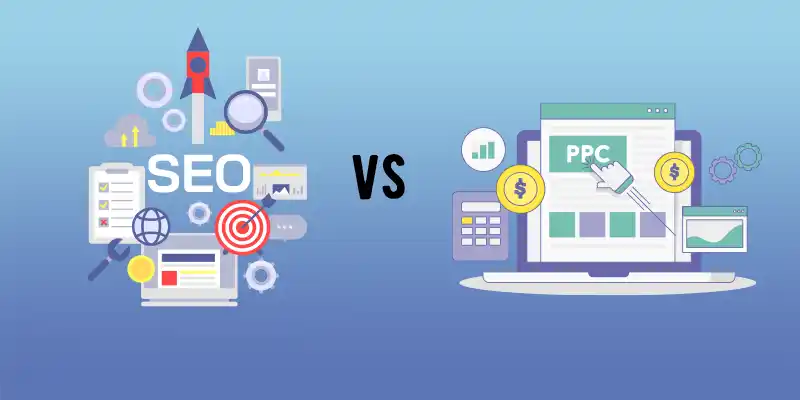
Having explored the two main strategies of search engine marketing in some detail, you would be justified in thinking it’s like a time-consuming task. Is SEM worth pursuing? If you have this question? Then the answer is here, again it depends on your marketing budget and Digital Marketing strategy, but the benefits of search engine marketing are plentiful and more effective. If you are just getting started with internet marketing and expect a quick result along with good sales model and high margin service, you may get started with PPC campaigns. If you have a low sales margin and limited marketing budget, you may get started with SEO as your digital marketing strategy.
At Infinityhub we suggest that pursuing blended strategies is the dynamic way to attain a positive result. Tailoring PPC and SEO would help you to maximize your market share and results. Are you initiating your business towards a result, and don’t have time to do it yourself? We will do it for you. Contact our digital marketing company today.
Get Free Quote
Facebook
Twitter
LinkedIn
WhatsApp